







Search Results for: cracked hands
Practical Guide to Judging the Yellowing Point and First Crack in Coffee Roasting: Analyzing the Causes of Baked and Astringent Flavors
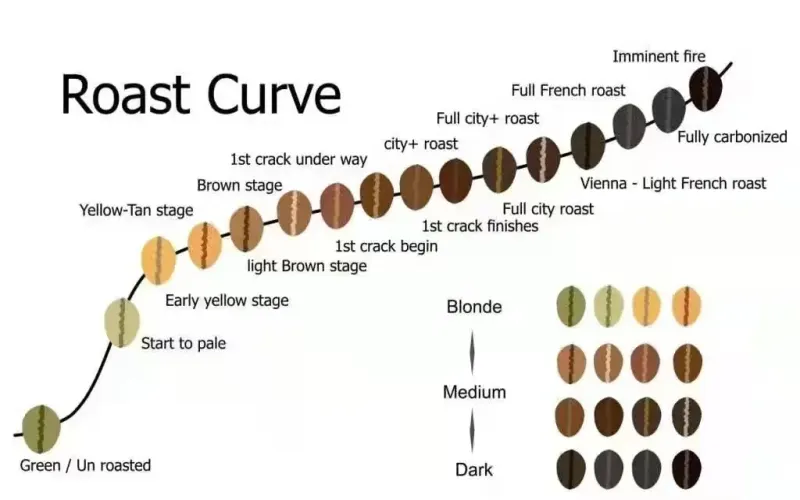
In the process of learning coffee roasting, there is often a gap between theoretical understanding and hands-on practice. This article focuses on judging two key milestones—the yellowing point and first crack—analyzing one by one the visual and auditory misjudgments that beginners easily make. It also offers temperature and aroma as auxiliary indicators for the yellowing point, and explains how misjudging first crack can lead to grassy, underdeveloped flavors and astringency in coffee. Drawing on Front Street's roasting course philosophy, the article also reminds readers not to mechanically copy curve data, but to understand the logic behind the data, so as to find a roasting path that truly suits them. [more…]
Analysis of Why Mandheling Coffee Beans Become Oily: PWN Golden Mandheling vs. Gayo Mountain Triple Hand-Sorted Beans
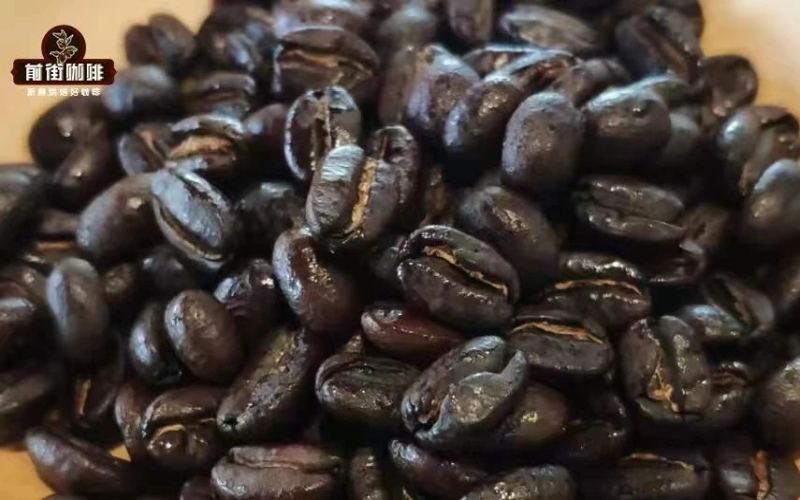
When coffee beans develop an oily sheen on their surface, is it a quality problem or a normal phenomenon? Starting from a comparison between Front Street's PWN Golden Mandheling and Indonesia's Gayo Mountain triple hand-sorted Mandheling, this article provides a detailed analysis of the strict screening standards for Golden Mandheling, the goat-hoof bean problem caused by the wet-hulling process, and the differences between the two beans in variety, cleanliness, and flavor. It also delves into the relationship between coffee bean oil production, roast level, and carbon dioxide release, and includes Front Street's roasting records, cupping comparisons, and KONO dripper brewing insights, helping coffee enthusiasts fully understand the characteristics of Mandheling coffee beans and the science behind oil production. [more…]
Home Coffee Green Bean Roasting Guide: A Detailed Practical Guide to Three Methods—Rotating Drum, Cast Iron Pan, and Oven
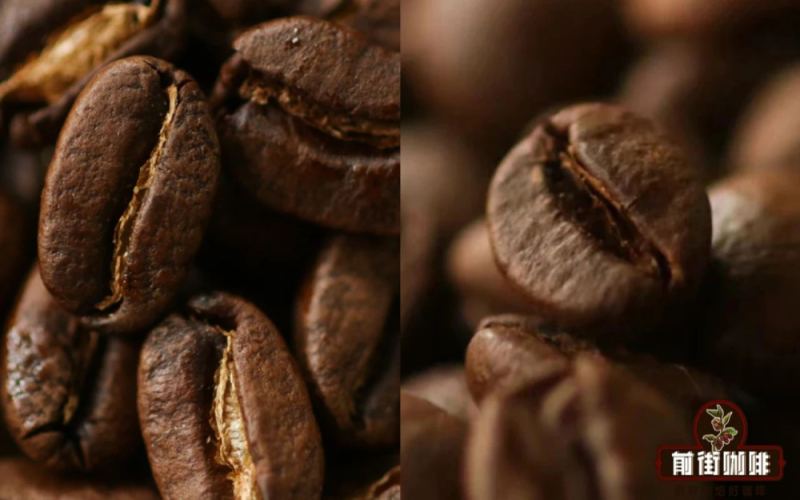
More and more coffee enthusiasts are no longer satisfied with just the brewing stage and have begun trying to buy green beans and roast them at home. But once the green beans are in hand, how to proceed leaves many people stumped. Drawing on the hands-on experience of Front Street Coffee, this article systematically lays out the complete approach to home roasting: from heat control and stirring rhythm, to identifying first crack and second crack and deciding when to stop the roast, to the pros, cons, and techniques of three tools—the roaster drum, the iron wok, and the electric oven—along with a time comparison for roasting the same Brazil Cerrado Red Bourbon on a professional roaster versus a roaster drum. Whether you just want a novel experience or are serious about roasting a batch of beans that is actually drinkable, you will find practical references here. [more…]
Golden Mandheling Roast Level Analysis: A Complete Guide to Dark Roast Characteristics, Pour-Over Parameters, and Flavor Profile
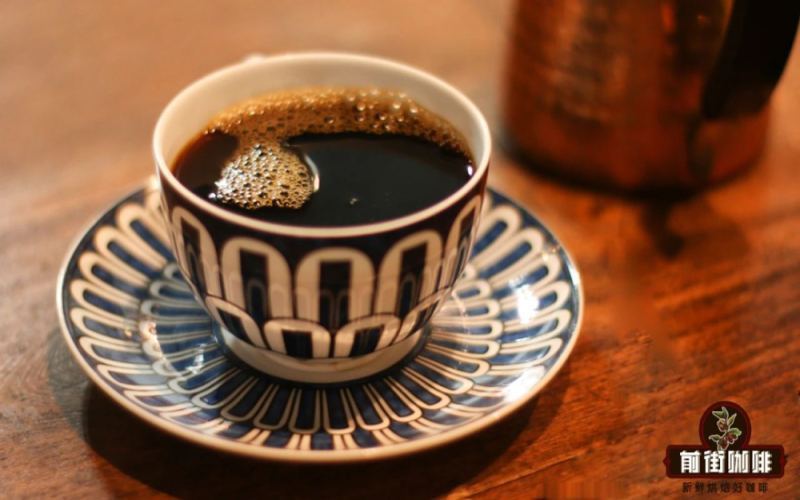
Golden Mandheling is known for its rich, full body, low acidity, and sweet, lingering aftertaste, making it a bold-flavored choice favored by many coffee lovers. Front Street Coffee's Golden Mandheling comes from the Lintong region of Sumatra, Indonesia, is processed using the wet-hulled method, and is typically given a dark roast to bring out its caramel notes and spicy aroma. This article walks through the roasting logic for this bean, key dehydration points, caramelization reactions, charge and first crack parameters, as well as the hand-brew grind size, water temperature, coffee-to-water ratio, and the three-pour extraction using a KONO dripper, providing a complete overview of Golden Mandheling's flavor expression from green bean to cup, helping readers understand why dark-roasted Mandheling is so rich yet clean, with layered complexity. [more…]
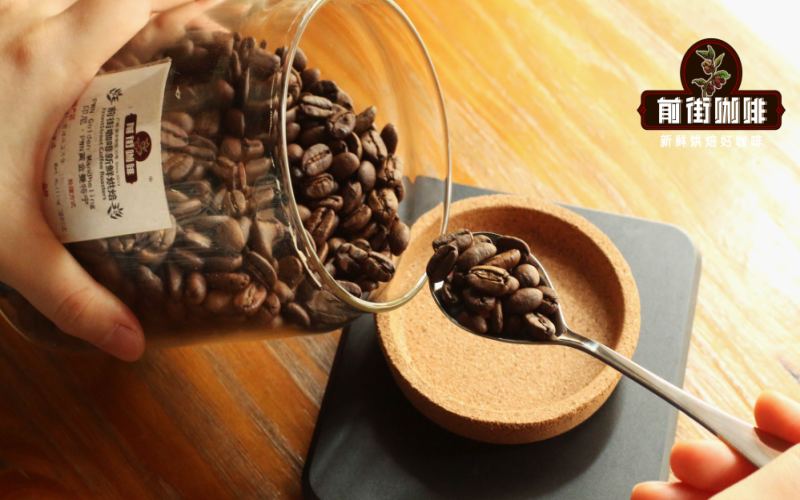
Coffee Roast Levels Explained | What Is Medium Roast Coffee? Recommended Affordable, Easy-Drinking, Low-Acid Hand-Drip Coffee Beans
The transformation of a bean from light roast to dark roast takes only a few short minutes to complete, with a temperature difference of just about 10°C, yet the flavor and aroma undergo earth-shattering changes. Light roast refers to beans dropped during the period from the middle of first crack to just after the end of first crack! At this point, the beans, because within their bodies [more…]
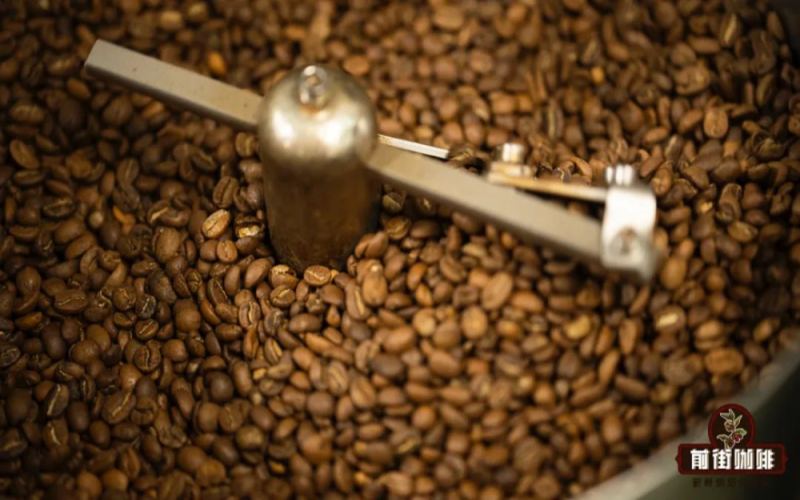
Coffee Bean Roasting for Beginners: A Complete Guide to Equipment Selection, Differences in Heat Transfer Methods, and Core Terminology
Want to learn how to roast coffee? Start by getting to know the tools and the terminology. Roasting coffee beans looks as simple as stir-frying vegetables, but doing it well requires a solid foundation of knowledge. In this article, Front Street Coffee will walk you through several common coffee roasting devices—direct-fire, semi-direct-fire, and hot-air roasters—covering their respective heat transfer principles, advantages, and drawbacks. At the same time, we'll systematically sort out the professional terms that come up during roasting, including charge point, turning point, yellowing point, first crack and second crack, as well as stage concepts like the drying phase, browning phase (Maillard), and development phase. Mastering this foundational knowledge is an important prerequisite for actually roasting beans, judging the roasting pace, and controlling the direction of flavor—and it can help you avoid detours and roast a good batch of beans faster. [more…]
Complete Guide to Roasting Golden Mandheling: Practical Techniques from Drying to First Crack and Brewing Recommendations
Golden Mandheling is known for its rich body and caramel sweetness, and is usually suited to dark roasting. Using Front Street Golden Mandheling as an example, this article explains the entire process in detail, from green bean processing information to roast dehydration, first crack judgment, and then brewing parameters. You will learn the key points of dehydrating wet-hulled green beans, the balancing techniques between caramelization and carbonization, and how to use a KONO dripper with 88°C water to extract a more balanced and full-bodied flavor. Whether you are a roasting beginner or a pour-over enthusiast, you can gain practical, actionable reference from it. [more…]
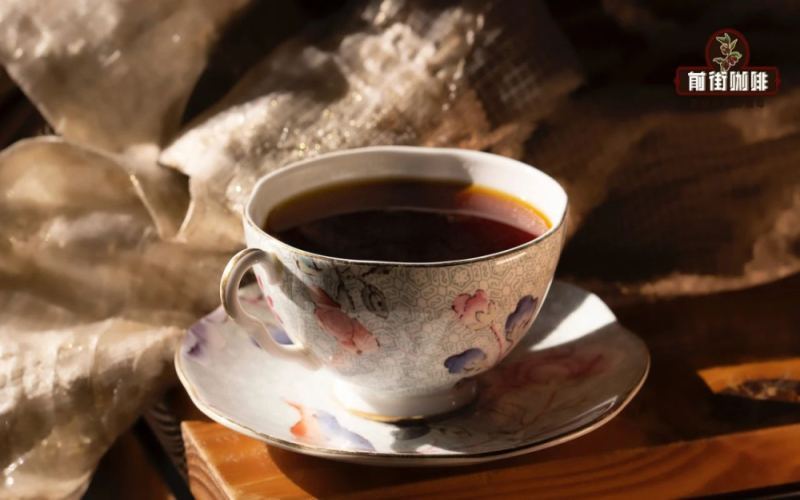
Flavor Characteristics of Light Roast Coffee Beans and Pour-Over Parameters Explained: From Roast Curve to Extraction in Practice
Green coffee beans go through multiple stages during roasting, including dehydration, yellowing, first crack, and second crack. Light roast beans are usually dropped between the middle of first crack and before first crack ends, retaining more organic acids and therefore presenting bright acidity and delicate aromas. This article begins with the differences between light and dark roasts, then details the flavor characteristics of light roast coffee beans, and recommends five Front Street light roast beans suitable for beginners, covering origins such as Ethiopia, Kenya, and Panama. In addition, the article shares Front Street's three-stage pour-over recommendations, including coffee-to-water ratio, water temperature, grind size, and pouring rhythm, to help you better extract the floral and fruity notes of light roast coffee. [more…]
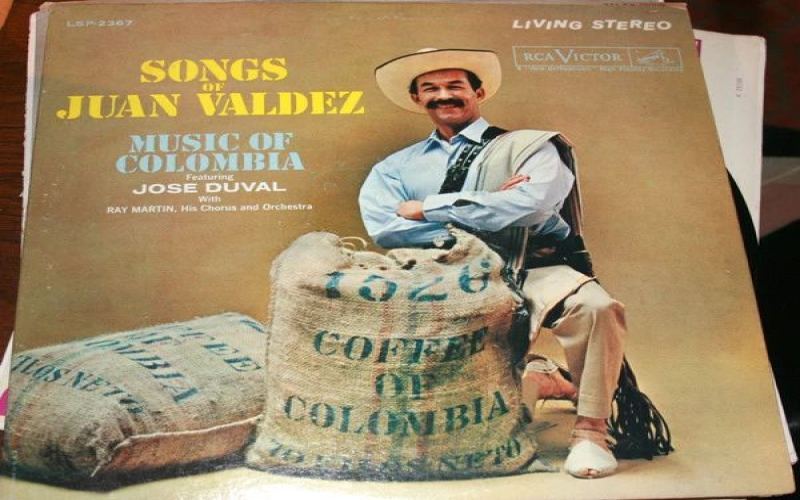
A Complete Flavor Guide to Colombia's Coffee Regions: Bean Characteristics from Huila to Cauca and a Guide to Brewing Sidra by Hand
Colombia is one of the few single-origin coffee producers in the world named after its country. Thanks to the superior terroir of the Andes and the meticulous farming of smallholders, it nurtures specialty coffees with diverse flavors. This article systematically reviews Colombia's main producing regions—Santander, Antioquia, Tolima, Huila, Cauca, and Nariño—covering their geography, climate, processing methods, and the flavors of representative beans, and focuses on the origins of the Sidra variety and the competition-grade performance of Finca El Diviso. It also includes Front Street Coffee's pour-over parameters and roasting suggestions for several Colombian beans, providing coffee lovers with a complete reference from understanding producing regions to brewing practice. [more…]

Investigation into Winter Hand Chapping Among Luckin Coffee Baristas: The Occupational Cost of Frequent Handwashing Standards
Every winter, hand health issues among Luckin Coffee baristas erupt in concentrated fashion. On social platforms, a large number of employees post photos of their cracked, red, swollen, or even bandaged hands, drawing widespread attention. Behind this phenomenon lies Luckin's extremely strict handwashing and sanitizing procedures: wash hands for more than 20 seconds every hour, change the sanitizing-water cloth every half hour, and clean again after touching anything. Frequent bare-handed contact with tap water and sanitizer causes severe damage to the skin barrier. Although the company does not prohibit wearing gloves, most partners choose to give up protection in order to speed up order output. This article deeply analyzes this industry phenomenon, presenting baristas' real situation and ways to cope. [more…]
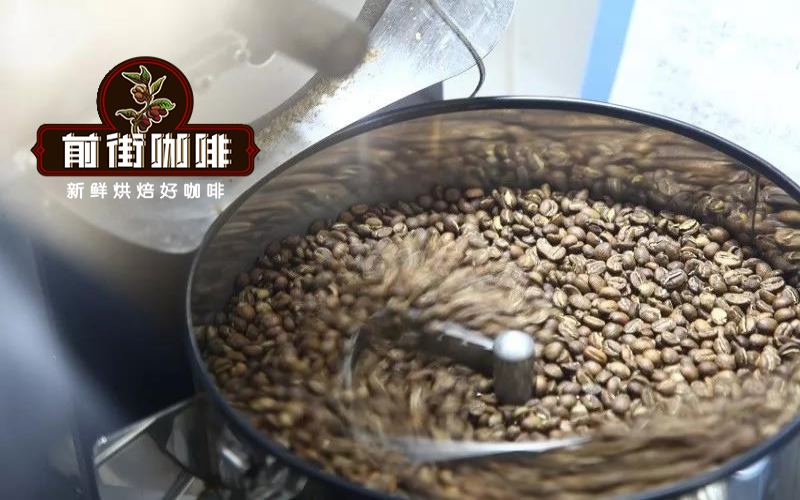
A Complete Guide to Coffee Bean Roast Levels: From Light Roast to Espresso, How Blue Mountain Coffee Achieves Neither Bitterness Nor Sourness
The roast level of coffee beans directly determines the flavor profile in the cup. From a light roast just shy of first crack to an espresso roast with oil on the bean surface, each stage gives coffee a completely different balance of acidity and bitterness as well as aromatic complexity. This article systematically breaks down eight mainstream roast levels—light, cinnamon, medium, high, city, full city, French, and Italian—explaining one by one their crack points, taste characteristics, and suitable growing regions, while offering bean selection advice based on specific Front Street Coffee products. In particular, it answers what roast level suits Blue Mountain coffee to achieve a balanced sweet-acidic-bitter profile that is neither bitter nor sour, and also covers roast choices for different brewing scenarios such as pour-over single origin, iced coffee, and café au lait, helping enthusiasts precisely match roast level to their flavor needs. [more…]
Exploring the Boquete Region of Panama: The Flavor and Century-Old Heritage of Casa Luis Cooperative Coffee Beans
Panama coffee is not only Geisha. The Boquete production area, located on the slopes of the Baru Volcano, nurtures high-quality coffee that is clean and refreshing with subtle floral notes, thanks to its high altitude, shade from primary forests, and careful hand sorting. The Boquete beans obtained by Front Street Coffee this time had an extremely low defect rate—only about 10 defective beans were sorted out from 3 kilograms, making the bean appearance rare. Through tests at different roast levels, 40 seconds past first crack presents soft acidity, walnut and nutty aromas, and a creamy chocolate finish, while the beginning of second crack is more suitable for those who do not prefer acidity. This article will provide an in-depth introduction to the terroir of the Boquete production area and focus on the Casa Ruiz cooperative, founded in 1979—this well-known estate alliance of the Baru Volcano region, passed down through three generations, how, while adhering to environmental friendliness and traditional varieties, it achieves its consistently winning quality in Best of Panama through rigorous grading and selection. [more…]
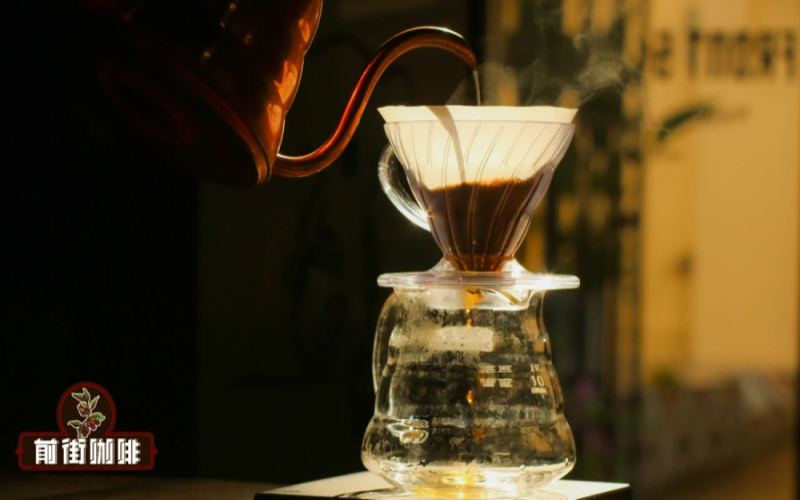
Guide to Buying Single-Origin Coffee Beans for Pour-Over: Seven Flavor Type Recommendations and a Full Analysis of Front Street's Product Line
As the community of pour-over coffee enthusiasts continues to grow, many people are at a loss when faced with the dazzling array of single-origin beans on the market. So-called single-origin beans come from the same producing region—which may be a single estate, a cooperative, or multiple estates or cooperatives within the same origin. Front Street Coffee categorizes currently popular single-origin beans into seven major types by flavor: fruity, floral, prominently fermented, prominently sweet, well-balanced, high-body, and nutty-cocoa. This article introduces representative bean varieties type by type, covering Yirgacheffe, Geisha, Costa Rica honey process, Blue Mountain, Mandheling, Brazil Queen Estate, and more, along with each bean's origin information, cupping flavor notes, and Front Street roasting curve recommendations, so coffee lovers can make precise purchases according to their taste preferences. [more…]
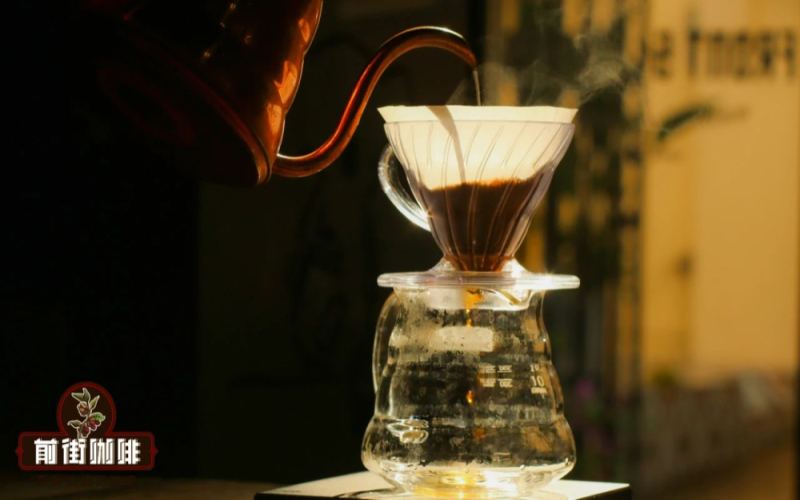
Recommended Varieties of Specialty Coffee Beans for Pour-Over | How Should Coffee Beginners Choose Single-Origin Beans for Pour-Over? What Are the Flavor Characteristics of Washed Gedeb, Golden Mandheling, and Panama Geisha When Made as Pour-Over Coffee?
More and more friends are now joining the ranks of pour-over coffee enthusiasts, and with so many coffee beans to choose from, many are once again struggling with choice paralysis. Generally speaking, the coffee beans used for pour-over coffee are single-origin beans. Single-origin beans refer to beans from a single region (from one estate/cooperative, or from multiple estates/cooperatives within a single origin). [more…]
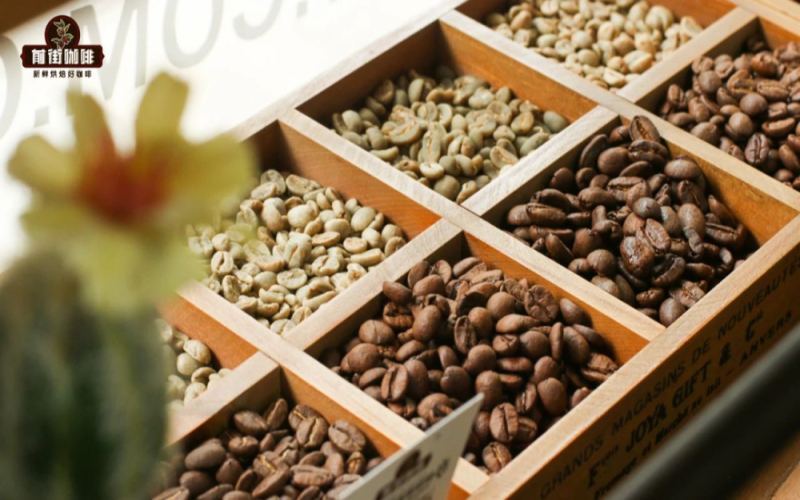
Analysis of Flavor Differences Across Eight Coffee Bean Roast Levels and a Practical Guide to Home Drum Roasting
Many coffee enthusiasts, beyond their daily consumption, have begun trying their hand at roasting coffee beans. However, home roasting often runs into the problem of uneven bean color, and the degree and consistency of roasting are exactly what determine the final flavor in the cup. This article draws on the practical experience of Front Street Coffee, first introducing the feasible tools and operational key points for home roasting, then systematically sorting through the eight roast levels defined by the SCAA—from light roast to Italian roast—explaining one by one the Agtron color values, the timing of removal from the roaster, and the corresponding flavor performance, to help readers build an understanding of the correspondence between roast level and taste, and to gain a deeper understanding of the craft logic behind every cup of coffee. [more…]

Analyzing the Differences Between Indonesian Golden Mandheling and Regular Mandheling: A Comprehensive Introduction to PWN Selected Coffee Beans
Indonesia's coffee variety system is intricate for historical reasons, and its green bean grading standards are also uniquely distinctive. From the perspective of Front Street Coffee, this article sorts out the evolutionary thread of Indonesian coffee varieties, analyzes its grading logic such as defect rate, bean size, and number of hand-sorting passes, and focuses on comparing the differences between PWN Golden Mandheling and ordinary Mandheling, covering origin, variety, packaging information, roasting curve, and brewing parameters, to help coffee enthusiasts gain a comprehensive understanding of this mellow, clean Indonesian specialty coffee. [more…]
Why Does Hand-Brewed Dark Roast Coffee Taste Bitter? A Comprehensive Analysis from Roasting Principles to Extraction Parameters
Today, on pourover coffee menus, acidic beans dominate the mainstream, yet a group of veteran enthusiasts remains steadfastly devoted to the bitter flavors of dark-roasted coffee. Where exactly does this bitterness come from? How does the degree of roast influence the flavor trajectory of coffee? The nutty aroma, rich body, and bittersweet finish unique to dark-roasted beans are an experience that light-roasted beans find hard to replicate. Of course, a delicious cup of dark-roasted coffee also depends on proper brewing methods. Starting from the principles of roasting, this article analyzes the unique charm of dark-roasted bitter coffee, and using Golden Mandheling as an example, shares key parameters such as water temperature, grind size, dripper selection, and pouring technique, helping you brew a gentle, smooth dark-roast pourover at home. [more…]
Pour-Over Coffee Bean Selection Guide: A Complete Analysis of the 7 Major Flavor Types of Single-Origin Beans and Brewing Recommendations
For those who are just getting into pour-over coffee, the bewildering array of coffee beans on the market often leaves them unsure where to start. In fact, pour-over usually calls for single-origin beans — that is, beans from a single region, single estate, or cooperative — which offers greater quality assurance. Front Street Coffee groups today's most popular single-origin beans into seven flavor categories: fruity, floral, fermented, sweet, balanced, high-body, and nutty-cocoa. Whether you prefer a bright, acidic, light and fresh profile or favor a rich, heavy mouthfeel, you can find your direction in this classification. Below, we introduce each flavor category one by one, covering representative bean varieties, origin information, cupping notes, and Front Street's roasting recommendations, to help you quickly pinpoint the pour-over bean that suits you. [more…]
From Idido to Aricha: The Origins of Yirgacheffe Red Honey and Natural Processing Plants and Their Flavor Comparison
The Aricha processing station in Ethiopia's Yirgacheffe region, originally named Idido, was once owned by the well-known coffee trader Abdullah Bagersh. Although it later changed owners and names, its processing standards and quality have continued to this day. This article will trace the relationship between Idido and Aricha, introduce the operating model of the Yirgacheffe Coffee Farmers' Cooperative Union (YCFCU), and present Front Street Coffee's roasting recommendations and flavor descriptions for two beans—Yirgacheffe Red Honey Red Cherry and Natural Aricha—offering an in-depth look at the processing techniques and cup performance of the Misty Valley micro-region. [more…]
What Are the Differences Between Washed, Natural, and Honey Processing? A Detailed Explanation of the Flavor Characteristics and Operating Procedures of Three Coffee Bean Processing Methods
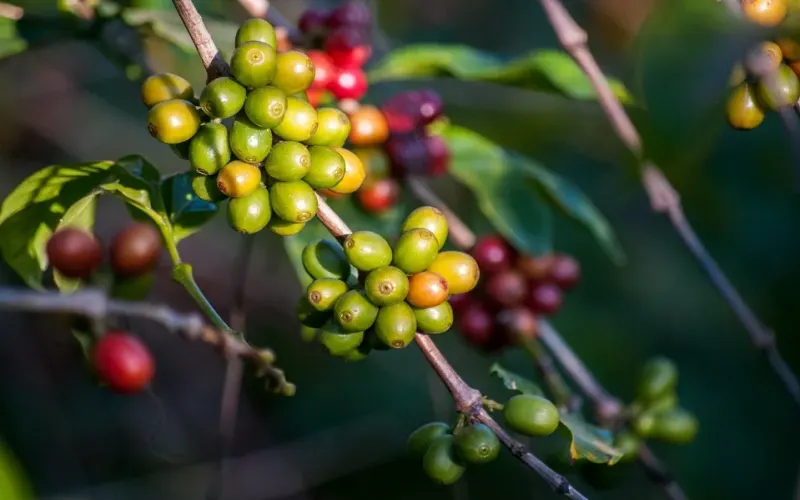
The flavor profile of coffee beans is largely determined by the processing method used after harvest. Washed, natural, and honey processing, as the three traditional and common coffee processing methods, each shape distinctly different expressions in the cup: washed coffees have bright acidity and high cleanliness; natural coffees have prominent sweetness and complex layers; honey processing strikes a balance between acidity and sweetness while amplifying aroma. Using three Geisha coffee beans from the Boquete producing region of Panama as samples, Front Street Coffee examines the core differences among these three processing methods one by one, from operational steps to the appearance of green and roasted beans, and also includes the brewing flavor and roasting records of each bean to help coffee enthusiasts build a clearer framework for understanding flavor. [more…]